How Labeling Impacts Warehouse Speed
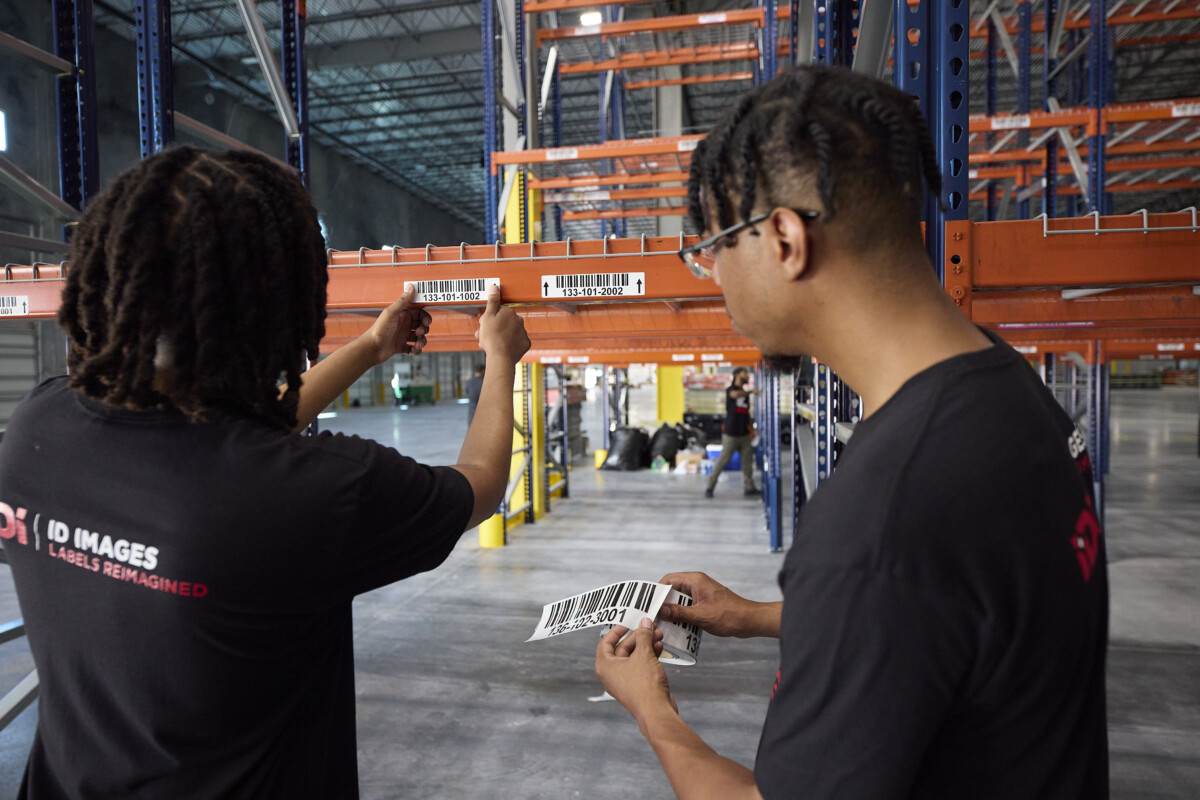
When warehouse efficiency is discussed, the focus usually lands on automation, staffing, and software systems. But one critical factor is often overlooked:
Label performance.
From receiving to picking to shipping, labels are touched, scanned, and relied on at nearly every step of the process. When they work, everything moves faster. When they don’t, the entire operation slows down—sometimes in ways that aren’t immediately visible.
Labels Are Embedded in Every Workflow
Labels are not just identifiers; they are workflow enablers.
In a typical warehouse environment, labels support:
- Inventory receiving and putaway
- Barcode scanning and tracking
- Order picking and packing
- Shipping and logistics
At each stage, speed depends on one thing: accurate, consistent, scannable information.
If a label fails at any point, the process breaks.
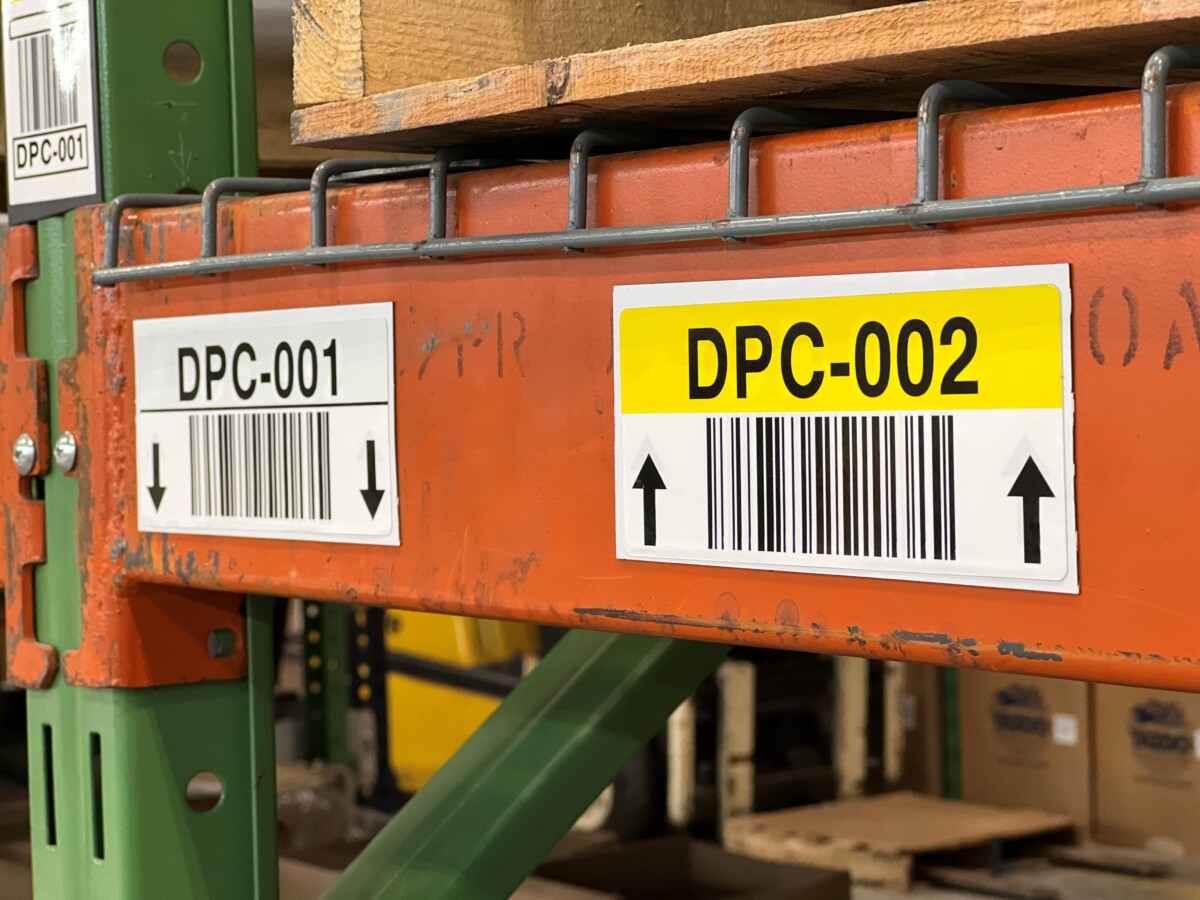
Where Labeling Slows Things Down
-
Poor Scan Performance
Barcodes that don’t scan on the first attempt create immediate delays.
Even a few extra seconds per scan can compound into:
- Slower pick rates
- Increased labor time
- Frustration for workers on the floor
In high-volume environments, this quickly becomes a measurable productivity issue.
-
Adhesive Failure
Labels that peel, lift, or fall off create confusion and rework.
This is especially common when:
- Surfaces are cold, rough, or low-energy (like plastic or corrugate)
- Products are exposed to moisture or temperature changes
When labels don’t stay in place, items become harder to identify and track—slowing down every downstream process.
-
Inconsistent Label Quality
Variation in label materials or print quality can disrupt scanning systems.
Common issues include:
- Faded or low-contrast print
- Smudging during handling
- Inconsistent sizing or placement
These inconsistencies reduce reliability, forcing workers to compensate manually.
-
Relabeling and Rework
When labels fail, they often need to be replaced.
That leads to:
- Additional labor
- Workflow interruptions
- Increased error risk
Relabeling is one of the most preventable inefficiencies in warehouse operations.
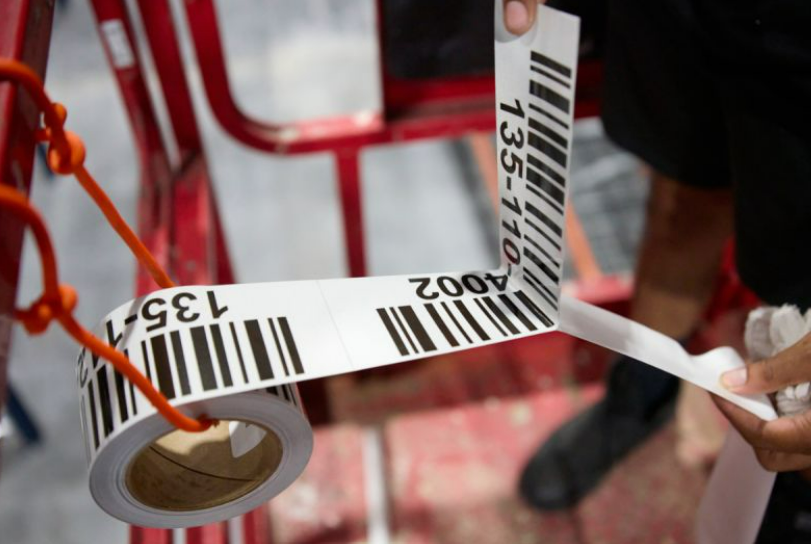
The Compounding Effect of Small Delays
Individually, these issues may seem minor.
But across thousands—or millions—of units, they create:
- Slower throughput
- Increased labor costs
- Reduced accuracy
- Bottlenecks during peak demand
What starts as a labeling issue quickly becomes an operational issue.
What High-Performance Labeling Looks Like
High-performing warehouses don’t treat labels as an afterthought.
They prioritize:
- Consistent scan reliability across environments
- Adhesives matched to specific surfaces and conditions
- Durable materials that withstand handling and transport
- Print quality that holds up from origin to delivery
When labeling is optimized, workflows become smoother, faster, and more predictable.
A Smarter Approach to Warehouse Efficiency
Improving warehouse speed isn’t always about adding new systems.
Sometimes, it’s about fixing what’s already in place.
Labeling may seem like a small detail—but in reality, it plays a role in every movement, every scan, and every shipment.
Conclusion
Warehouse performance is built on consistency.
And consistency starts with the details that are repeated thousands of times a day.
Labels are one of those details.
When they perform, operations accelerate.
When they don’t, everything slows down.