Spot UV vs. Embossing: Choosing the Right Finish for Your Product Labels

In competitive retail environments, a label has only seconds to attract attention and communicate the quality of the product inside. Color, typography, and material selection establish the foundation of the design, but specialty finishes can transform that design into a more memorable brand experience.
Spot UV and embossing are two popular options for adding depth and visual interest to labels and packaging. Both can highlight important design elements and create a premium appearance, but they accomplish those goals in different ways.
Spot UV uses selective shine and surface contrast. Embossing physically reshapes the label material to create raised dimension. Understanding these differences can help brands select the finish that best supports their design, product, substrate, production requirements, and budget.
What Is Spot UV?
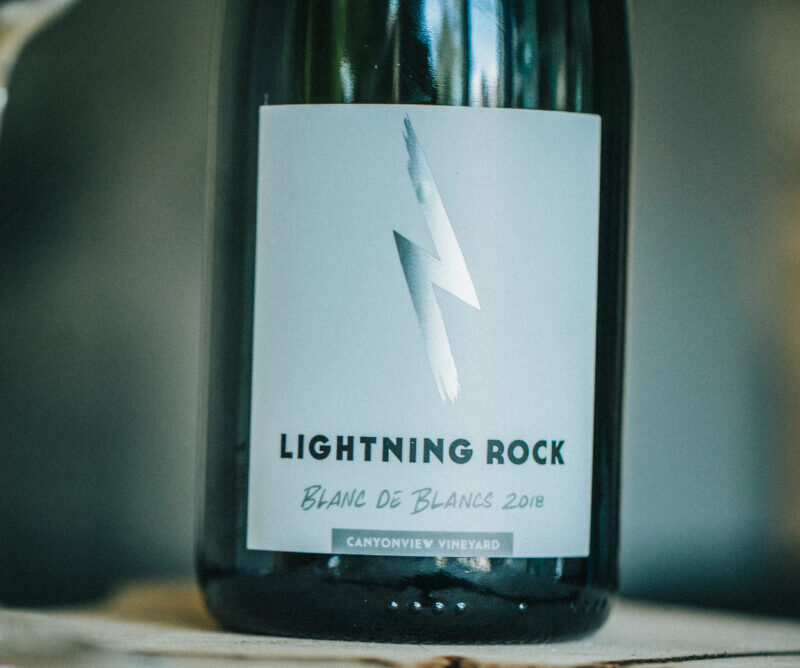
Spot UV is a finishing technique in which a clear UV coating is applied to selected areas of a printed label rather than across the entire surface. The coating is then cured using ultraviolet light, creating a smooth, glossy finish over specific design elements.
The effect is especially noticeable when spot UV is paired with a matte or soft-touch background. The contrast between the flat surface and high-gloss coating causes selected areas to reflect light and stand out from the surrounding design.
Spot UV can be used to emphasize:
- Brand logos
- Product names
- Patterns and illustrations
- Ingredient or flavor callouts
- Decorative borders
- Background textures
- Limited-edition messaging
Depending on the application method, the coating may remain relatively flat or be built up to create a more pronounced tactile effect. Modern digital embellishment systems can also produce raised varnishes, detailed textures, and selective gloss directly from a digital file without the traditional setup required for many mechanical finishing processes.
What Is Embossing?
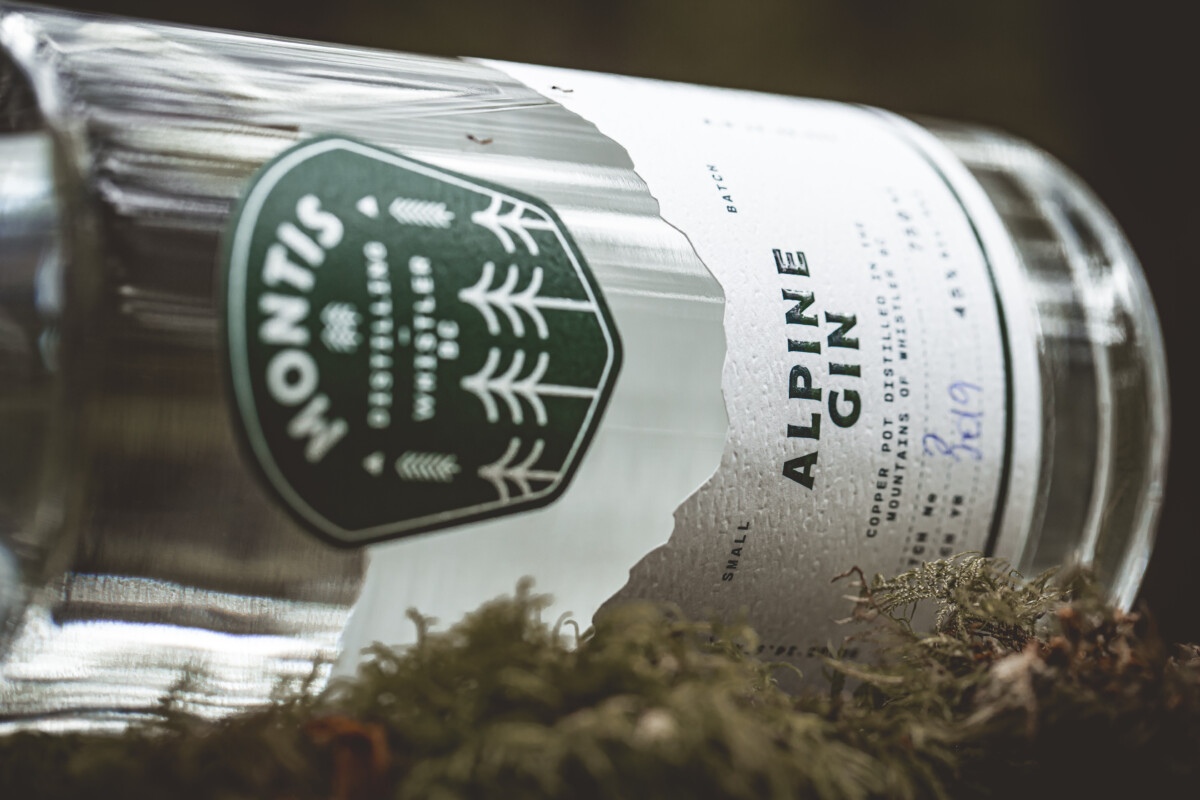
Embossing creates dimension by physically pressing a design into the label material. Traditional embossing generally uses custom male and female dies that come together under pressure, reshaping the substrate and raising selected areas above the surrounding surface.
The result is a structural, tactile effect that can be both seen and felt. Unlike spot UV, which adds a coating to the surface, embossing changes the form of the label material itself.
Embossing may be used to raise:
- Logos and monograms
- Product names
- Seals or emblems
- Borders
- Decorative patterns
- Individual letters or icons
Blind embossing creates the raised impression without adding ink, varnish, or foil. Registered embossing aligns the raised area with printed graphics or another decorative finish, creating a more pronounced visual effect.
Embossing is frequently associated with craftsmanship, tradition, and understated luxury. It can be particularly effective for premium food and beverage products, wine and spirits, cosmetics, specialty goods, and heritage brands.
The Primary Difference: Light Versus Structure
The most important difference between spot UV and embossing is how each finish creates impact.
Spot UV changes the way the label reflects light. The glossy coating becomes visible as the product moves or as lighting changes. This produces a clean, modern effect that can make colors appear richer and design details more noticeable.
Embossing changes the physical structure of the label. The raised area creates dimension through height, shadow, and touch. Its visual effect may be subtler than spot UV, but the tactile experience can feel more permanent and handcrafted.
Spot UV tends to communicate energy, contrast, and contemporary sophistication. Embossing tends to communicate refinement, craftsmanship, and material quality.
Neither finish is universally better. The right choice depends on what the brand wants customers to notice and feel.
When Spot UV May Be the Better Choice
Spot UV is often a strong option when the design depends on visual contrast or contains details that should catch the light.
Brands may choose spot UV when they want to:
- Create gloss-on-matte contrast
- Highlight intricate patterns or small graphic elements
- Add a premium finish without physically reshaping the substrate
- Produce a modern or contemporary appearance
- Enhance shorter or versioned production runs through digital embellishment
- Add a tactile effect to selected areas of the label
Spot UV can be especially effective on dark or minimalist labels. For example, a clear gloss logo placed over a matte black background may remain subtle when viewed directly but become highly visible as the package moves under retail lighting.
The technique can also be used as a design element rather than simply a coating. Tonal patterns, hidden graphics, or repeating brand marks can be applied in spot UV to create details that appear gradually as the label is viewed from different angles.
When Embossing May Be the Better Choice
Embossing is often selected when physical texture is central to the desired brand experience.
Brands may choose embossing when they want to:
- Give the label a sculptural or handcrafted appearance
- Create dimension without relying on gloss
- Reinforce a heritage, artisanal, or luxury brand identity
- Emphasize a logo, crest, seal, or monogram
- Encourage consumers to physically interact with the package
- Pair dimensional texture with foil or printed graphics
Embossing can be particularly effective on uncoated or textured paper label materials, where the natural character of the substrate supports a more tactile design. However, material thickness, flexibility, texture, label construction, and the shape of the final container must all be evaluated before production.
A deeply embossed design may perform well on a substantial paper label but may not be appropriate for every film, thin material, flexible package, or tightly curved container. Proper material selection and production testing are important to ensure the raised effect remains intact during converting, application, shipping, and handling.
Comparing Production Considerations
Specialty finishes should be selected based on more than appearance. Production quantities, artwork, materials, application conditions, and cost targets can all influence the decision.
Tooling and Setup
Traditional embossing requires custom dies, adding tooling and setup requirements to the project. This investment may be appropriate for established designs and repeat production programs.
Spot UV may be applied through conventional or digital processes. Digital embellishment can reduce traditional setup requirements and make selective varnish more accessible for short-to-medium runs, multiple versions, or frequently changing artwork.
Design Detail
Spot UV can highlight fine patterns, typography, and intricate graphics, although extremely small elements must still be designed with production tolerances in mind.
Embossing generally performs best with clear shapes, appropriate spacing, and enough surface area to form a distinct raised impression. Very fine lines or densely detailed artwork may not produce the intended dimensional result.
Substrate Compatibility
Spot UV typically performs best when the coating is compatible with the selected label material, ink system, and underlying finish. Matte surfaces often provide the strongest visible contrast.
Embossing requires a substrate that can accept and retain the formed impression without tearing, cracking, or flattening. Paper construction, caliper, grain, coatings, adhesives, and container shape should be reviewed early in the design process.
Run Size and Versioning
Traditional embossing may become more cost-effective when tooling can be used across repeat orders or longer runs.
Digitally applied spot UV may offer greater flexibility for shorter runs, seasonal products, regional variations, prototypes, and limited-edition packaging because the enhancement can be driven directly from the artwork file.
Can Spot UV and Embossing Be Used Together?
Yes. Spot UV and embossing do not have to be competing choices.
A design may use embossing to create the primary dimensional feature and spot UV to add selective shine to another area. Embossing can also be combined with foil, varnishes, soft-touch finishes, or specialty materials to create a layered visual and tactile experience.
The key is restraint. Adding several embellishments does not automatically make a label appear more premium. Each finish should serve a clear purpose within the visual hierarchy.
For example, a wine label might use embossing on the brand crest, foil on the product name, and a subtle spot UV pattern in the background. When coordinated carefully, each effect contributes something different without overwhelming the design.
Choosing the Right Finish for Your Brand
Before selecting spot UV or embossing, consider the following questions:
- Should the label attract attention through shine or texture?
- Which design element should consumers notice first?
- Does the brand feel contemporary, traditional, artisanal, technical, or luxurious?
- Will the label material support the desired finish?
- Is the container flat, curved, rigid, or flexible?
- Will the product be exposed to moisture, refrigeration, abrasion, or frequent handling?
- Does the project require multiple versions or frequent artwork changes?
- Will the additional finish support the product’s price point and positioning?
Physical samples and production testing are particularly valuable when evaluating specialty finishes. Spot UV changes with lighting and viewing angle, while embossing must be touched to be fully appreciated. A digital proof alone may not communicate how the finished label will look and feel in the customer’s hand.
Make the Finish Part of the Brand Experience
Spot UV and embossing can both elevate a product label, but they create different impressions.
Choose spot UV when the design needs selective shine, contrast, fine detail, and a polished contemporary appearance.
Choose embossing when the design calls for physical dimension, craftsmanship, subtle texture, and a more structural tactile experience.
In some cases, the strongest solution may combine both techniques. What matters is selecting finishes that complement the artwork, perform reliably on the chosen material, and reinforce how the brand should be perceived.
Ready to create a label that stands out visually and physically? Contact ID Images to explore specialty finishing options for your next project.