How Long Should a Label Last? Matching Materials to the Application
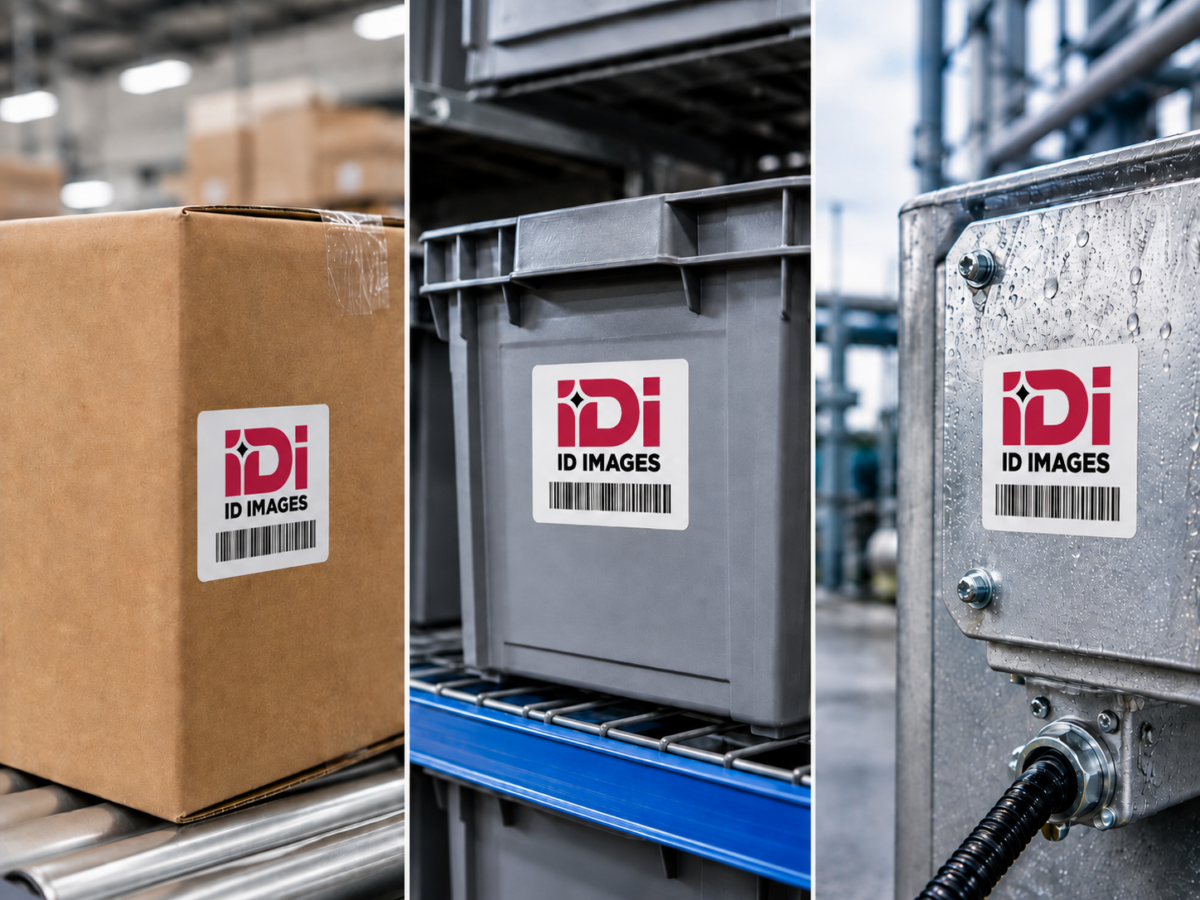
Not every label needs to last forever.
A shipping label may only need to remain readable for a few days. A refrigerated food label may need to withstand moisture and condensation for weeks. A warehouse or industrial label may need to perform for years.
That’s why label selection should start with one question:
How long does this label actually need to perform?
The answer can help determine the right facestock, adhesive, print method, and level of durability for the application.
Match the Material to the Environment
For short-term, controlled applications, paper labels may provide all the performance you need. They are often well suited for shipping, temporary inventory identification, retail, and other indoor uses.
When conditions become more demanding, film materials such as polypropylene or polyester may be a better fit.
Consider whether the label will encounter:
- Moisture or condensation
- Refrigeration or freezing
- Outdoor exposure
- Chemicals or cleaning agents
- Abrasion and repeated handling
- Significant temperature changes
The goal isn’t to choose the most durable material available. It’s to choose one that delivers the right performance for the required lifespan.
Don’t Overlook the Adhesive
A durable facestock won’t help if the label doesn’t stay attached.
The correct adhesive depends on more than whether it is classified as “permanent.” Surface material, texture, temperature, moisture, and application conditions can all affect performance.
A label applied to clean glass may behave very differently from the same label applied to textured plastic, corrugated material, or a cold container with condensation.
Understanding the actual surface and environment is essential.
Consider the Printed Image Too
A label can remain attached and still fail if the information on it becomes unreadable.
Barcodes, serial numbers, warnings, and product information may need to withstand abrasion, moisture, chemicals, sunlight, or frequent handling.
For thermal transfer labels, ribbon selection also plays an important role. The ribbon, facestock, and coating should work together to deliver the required print durability.
Ask the Right Questions
Before choosing a label construction, consider:
- How long does the label need to last?
- What surface will it be applied to?
- Will it be exposed to moisture, chemicals, or abrasion?
- What temperatures will it experience?
- Will it be used indoors or outdoors?
- Does the label or barcode need to remain readable for months or years?
These questions can help prevent premature label failure while avoiding unnecessary cost.
Build the Label Around the Application
More durable doesn’t automatically mean better.
The best label is one designed to perform for the life of the application, under the conditions it will actually encounter.
At ID Images, we help customers evaluate materials, adhesives, printing requirements, environmental conditions, and expected label life to identify the right construction for the job.
Not sure which label material is right for your application? Talk with your ID Images representative to find a solution built around your specific requirements.