Biodegradable vs. Compostable Labels: What’s the Difference?
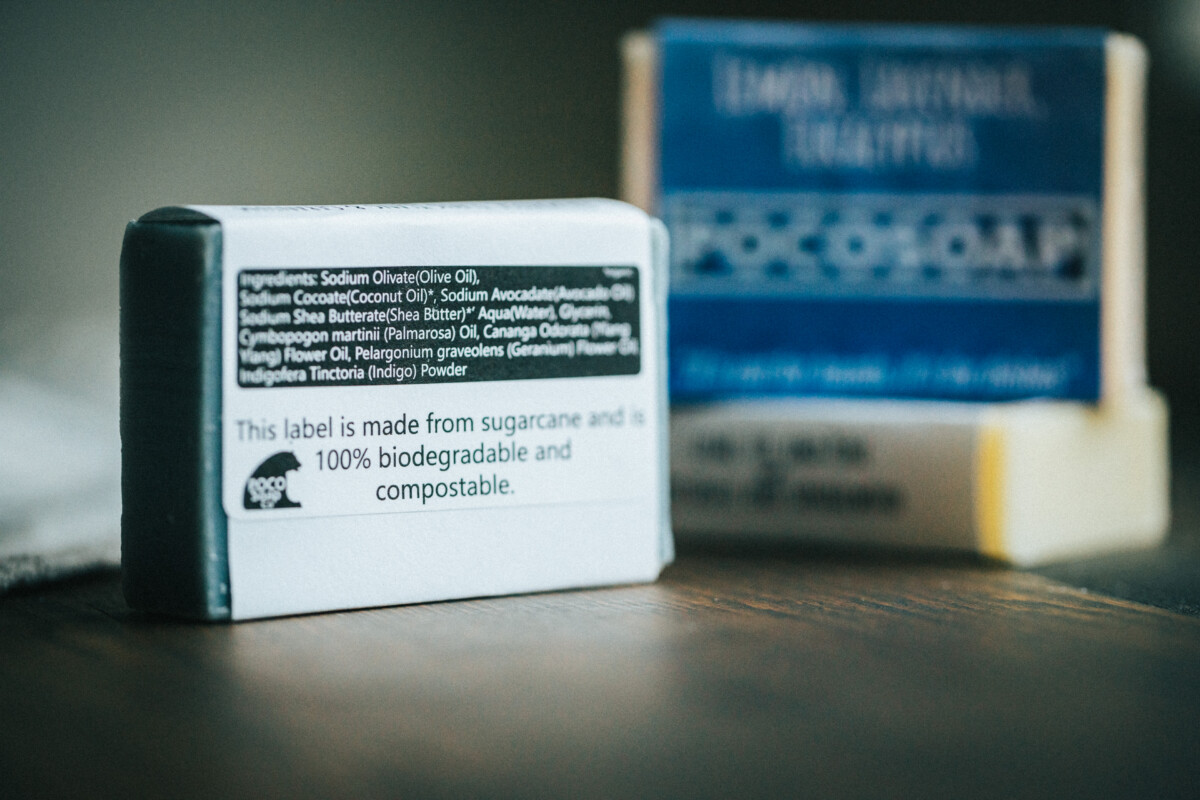
As sustainability continues to shape packaging decisions, businesses are exploring alternative materials to reduce their environmental impact. Two terms that frequently come up are biodegradable and compostable.
While these terms are often used interchangeably, they have different meanings. Understanding the distinction is essential when selecting the right labeling and packaging solutions.
What Does Biodegradable Mean?
Biodegradable materials can be broken down naturally by microorganisms, such as bacteria and fungi, over time.
However, biodegradable does not necessarily mean a material will break down quickly or under all conditions. Factors such as temperature, moisture, oxygen, and disposal methods can significantly impact the process.
For labels, it’s also important to consider the entire construction. A biodegradable facestock does not automatically mean the adhesive or ink will break down in the same way.
What Does Compostable Mean?
Compostable materials are designed to break down under specific conditions, producing compost that can support soil health.
Unlike biodegradable materials, compostable products must meet established requirements for breakdown, timing, and environmental safety.
It’s also important to distinguish between home compostable and industrially compostable materials. Some products require the controlled conditions of a commercial composting facility and may not break down effectively in a home composting environment.
Why Does the Difference Matter for Labels?
The key distinction is simple: All compostable materials are biodegradable, but not all biodegradable materials are compostable.
When evaluating sustainable labeling options, businesses need to look beyond the facestock and consider the adhesive, inks, and overall label construction.
A compostable label material paired with a non-compostable adhesive, for example, may prevent the finished label from meeting compostability requirements.
Businesses should also consider how a label will perform throughout its intended use and whether appropriate disposal facilities are available.
Making Accurate Environmental Claims
As sustainability becomes a greater priority, transparency in environmental marketing is essential.
The Federal Trade Commission (FTC) provides guidance through its Green Guides to help businesses avoid misleading environmental claims.
Claims such as “biodegradable” or “compostable” should be supported by reliable scientific evidence and accurately reflect the conditions under which a product breaks down.
Understanding these requirements helps businesses make informed material decisions while communicating sustainability efforts responsibly.
Finding the Right Labeling Solution
Choosing between biodegradable and compostable materials depends on more than environmental terminology. Performance requirements, application conditions, and end-of-life disposal all play important roles.
At ID Images, we work with customers to evaluate their labeling needs and identify solutions that balance functionality, performance, and sustainability goals.
Interested in exploring labeling options for your packaging? Contact ID Images to learn more.