6 Key Trends Shaping the Pacific Northwest Wine Industry in 2026
Insights from the Oregon Wine Symposium
The Oregon Wine Symposium continues to be one of the strongest indicators of where the Pacific Northwest wine industry is heading. This year’s conversations pointed to a clear shift toward sustainability, intentional branding, consumer selectivity, and smarter use of technology.
Below are six key wine industry trends emerging from the show.
1. Sustainability in Wine Production and Packaging
Sustainability is no longer a niche initiative. It is operational strategy.
Wineries are focusing on carbon reduction, water efficiency, regenerative vineyard practices, and lighter-weight packaging. That focus extends directly to wine labeling. Sustainable label materials, recyclable substrates, thinner facestocks, and low-impact inks are becoming part of brand positioning.
For Oregon and Washington wineries especially, environmental credibility and packaging decisions now go hand in hand.
2. Story-Driven Wine Branding
Consumers increasingly want to know where their wine comes from and who made it. Vineyard blocks, soil types, clone selections, and harvest conditions are becoming central to brand storytelling.
Wine labels are evolving to support that transparency. QR codes, extended content labels, and digital storytelling tools are helping wineries communicate more without overcrowding the front label.
3. Wine Label Design Trends: Clean, Premium, and Intentional
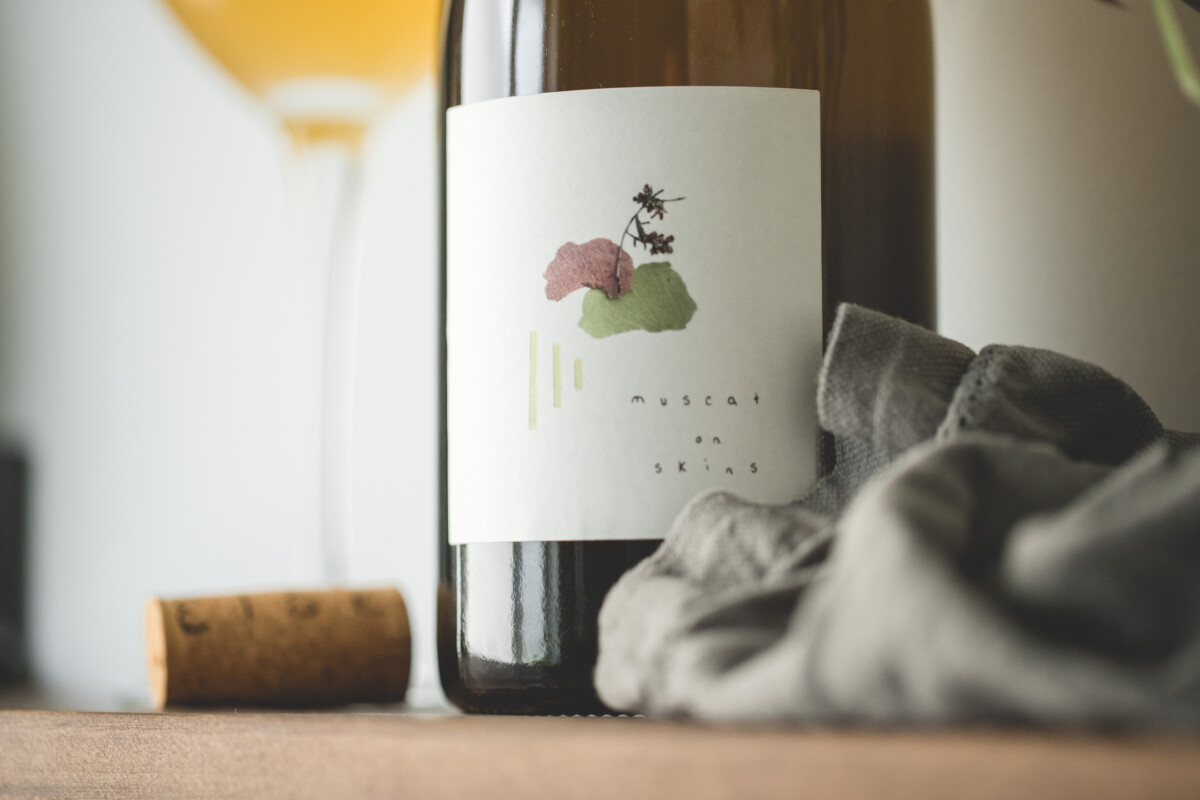
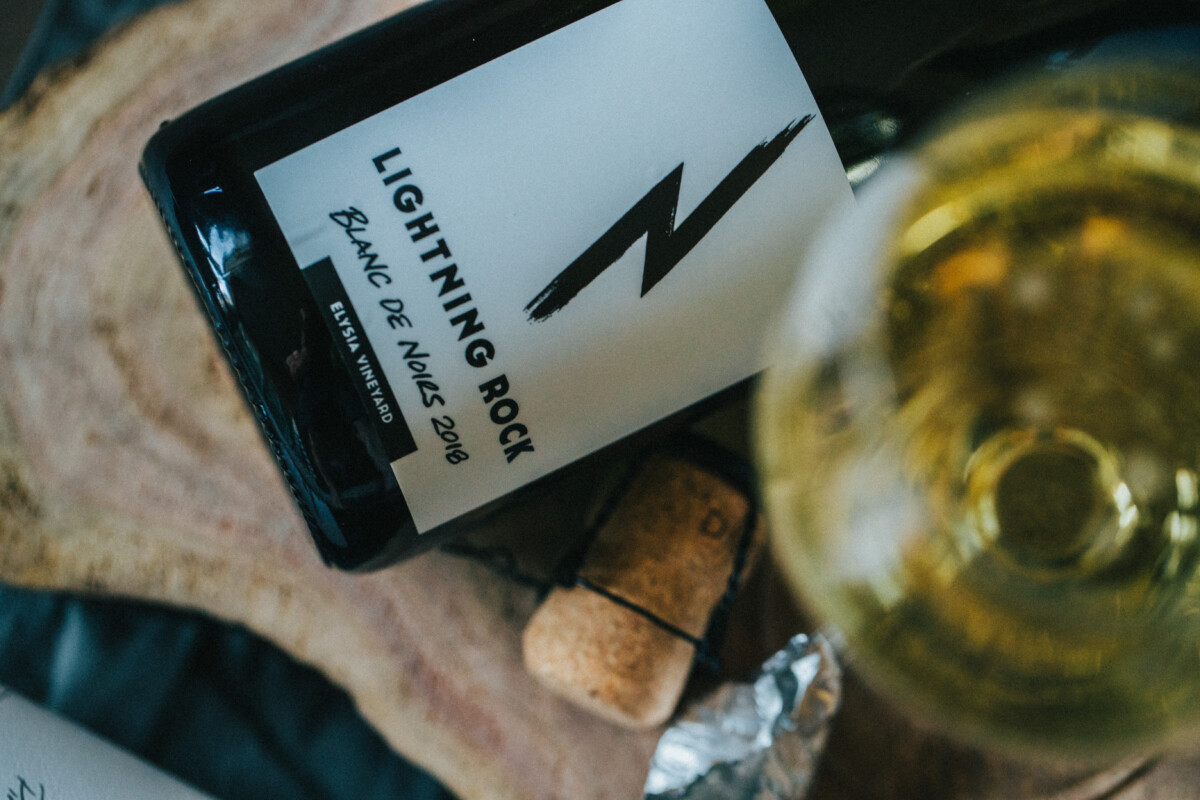
At the Oregon Wine Symposium, label design reflected a strong balance between clarity and shelf presence.
Current wine labeling trends include:
• Minimalist layouts with clear hierarchy
• Premium embellishments such as foil and tactile finishes
• Clean typography that prioritizes readability
• Interactive elements that bridge physical and digital
In a competitive retail environment, the wine label remains the primary marketing asset.
4. Climate Adaptation in Oregon and Washington Vineyards
Climate resilience remains a defining issue. Growers are investing in drought-tolerant rootstocks, canopy management strategies, and harvest timing flexibility to protect long-term vineyard health.
This operational precision increasingly influences brand messaging. Wineries are highlighting thoughtful farming and adaptation strategies as part of their positioning.
5. Younger Adults Are Drinking Less, but Expecting More
A major macro trend impacting the wine industry is that younger adults are consuming less alcohol overall. At the same time, they are more exploratory and open to new varietals and regions.
This creates a shift from volume-driven growth to value-driven growth. Fewer purchase occasions mean each bottle must justify itself. Premium positioning, lower-alcohol options, intentional branding, and standout packaging are becoming more important.
The label plays a critical role in earning attention from a more selective, experience-driven consumer.
6. Technology and Data in Modern Winemaking
From drone imaging to vineyard analytics and precision agriculture, technology adoption continues to grow across the Pacific Northwest wine industry.
Data is helping wineries optimize quality, improve yields, and manage risk. Increasingly, that commitment to precision becomes part of the brand narrative communicated through packaging and labeling.
What This Means for Wine Labels
The convergence of sustainability, climate awareness, digital storytelling, and consumer selectivity means wine labels must do more than identify the bottle. They must communicate value, credibility, and differentiation instantly.
For wineries navigating shorter runs, premium embellishments, sustainable materials, and compliance requirements, flexibility in label production matters.
With 16 locations across North America, ID Images supports wine producers with digital and flexographic wine label solutions, sustainable material options, premium embellishments, and scalable production models that align with seasonal demand.
In a market where consumers are drinking more intentionally, the label often determines whether the bottle makes it into the cart.
Here’s to the next vintage and the next evolution of the Pacific Northwest wine industry. 🍷
